Does Size Matter? How to Choose the Right Cast Iron Skillet
I get asked A LOT of questions about cast iron cookware. And the ones (both in-store and in my inbox) that are on repeat always come down to size. Like, what size cast iron skillet should I buy? And honestly, I get it. Standing there, staring at a display of beautiful pots and pans, wondering which one’s the best for you, can feel a bit overwhelming.
Cast iron skillets aren’t a casual fling. They’re a long-term relationship, so you want to get it right, don’t you?! You cook with them, bake with them, serve straight from them, and if you’re anything like me, they end up living permanently on your stovetop. Choosing the right size matters. Too small and you’re batch-cooking dinner like a short-order cook. Too big, and suddenly you’re wrestling a pan that weighs about as much as your toddler.
Over the years (and after owning more than my fair share of cast iron skillets), I’ve figured out which sizes actually get used, and are handy to have in your kitchen. So today I’m breaking it all down for you. The breakfast fry-up pans. The family pans. The “friends are coming for dinner & I need to whip up a quick dessert” pans. Plus, how I use each size in my own kitchen. Let’s talk cast iron, shall we?!
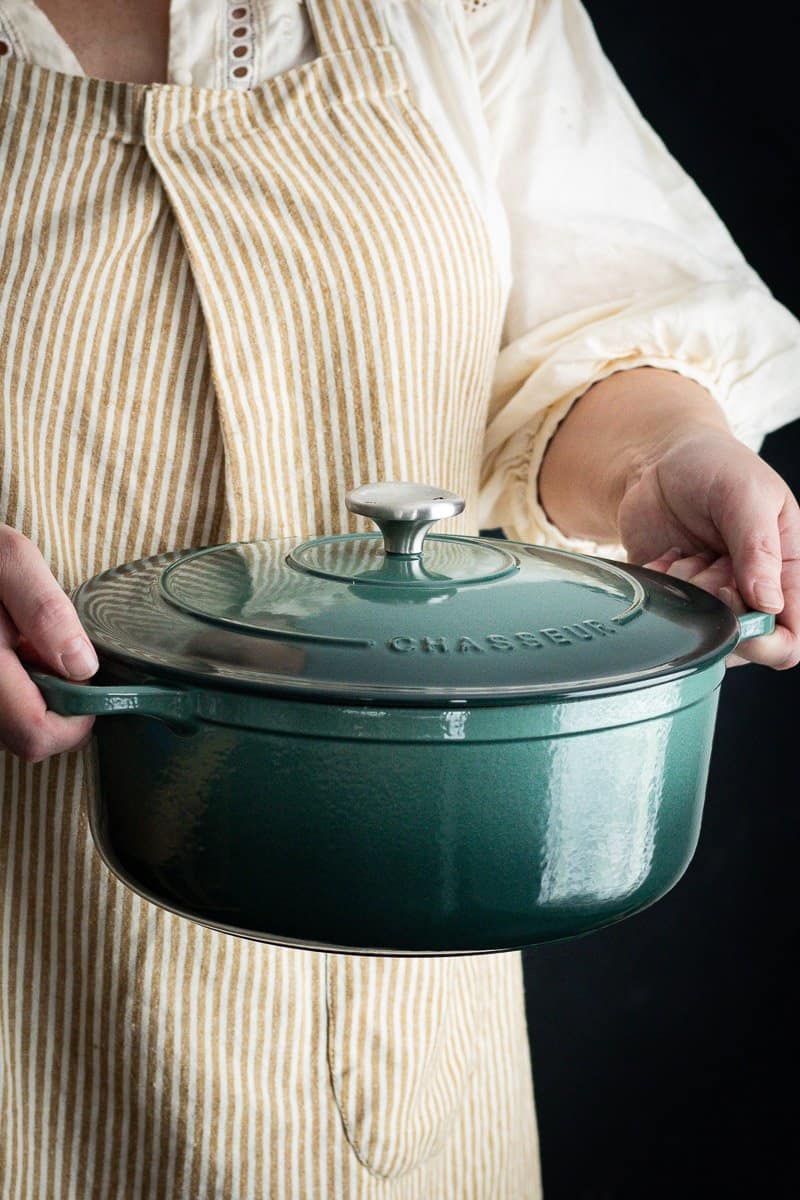
If you’re building out your cast iron collection, skillet size is just one piece of the puzzle. I’ve also broken down how to choose the right Dutch oven size if you’re thinking about adding a Dutch oven to your collection too.
If you’re new here, you might not know I also run a small online store where I keep many of the tools I cook with every day, along with a few timeless homewares for good, slow living…
Why Size Matters (When It Comes To Cast Iron!)
Here’s the thing. The right size skillet makes cooking feel easy. The wrong one can quickly turn dinner into a disaster.
Too small and you’re overcrowding the pan, steaming your food instead of searing it. Too big and suddenly you’re hauling around a skillet that weighs a ton, takes forever to heat, and hogs half your stovetop. Size really is everything. How evenly your food cooks. How much you can fit in one go. Whether you’re getting that beautiful golden crust… or just wondering why dinner looks a bit sad because everything’s piled on top of itself and nothing’s browning properly.
The Most Common Cast Iron Skillet Sizes (And What They’re Good For)
I’m a big believer that any well-rounded cook needs at least two skillets in their arsenal. Each one for entirely different jobs. Here’s how I think about them.
Small Skillets (8 inch/20cm)
They’re perfect for…
- Fried or baked eggs
- Single steaks or pork chops
- Garlic prawns
- Small frittatas
- Individual desserts (hello skillet cookies)
Great for:
- Cooking for one
- Side dishes
- Reheating leftovers without pulling out a big pan
I love these for breakfast and small desserts. An egg or two for my breakfast. A fruit crumble for an easy skillet dessert. Baking a small loaf of soda bread for Sunday supper. They’re great for small jobs and a quick clean-up. They’re also brilliant for serving straight to the table.
Medium Skillets (10 inch/25cm)
If you’re buying your first cast-iron skillet, this is usually where I tell people to start. It’s a total workhorse and the most common size purchased in the store. In our house, it’s the one that basically lives on top of the stove. They’re good for:
- 2–3 people for dinner. There are three of us, so this size is perfect for our little family.
- Grilling meats. Think chicken thighs, lamb chops, and small steaks (like eye fillets)
- Breakfast. It’s the perfect size for pancakes or a baked French toast for a crowd.
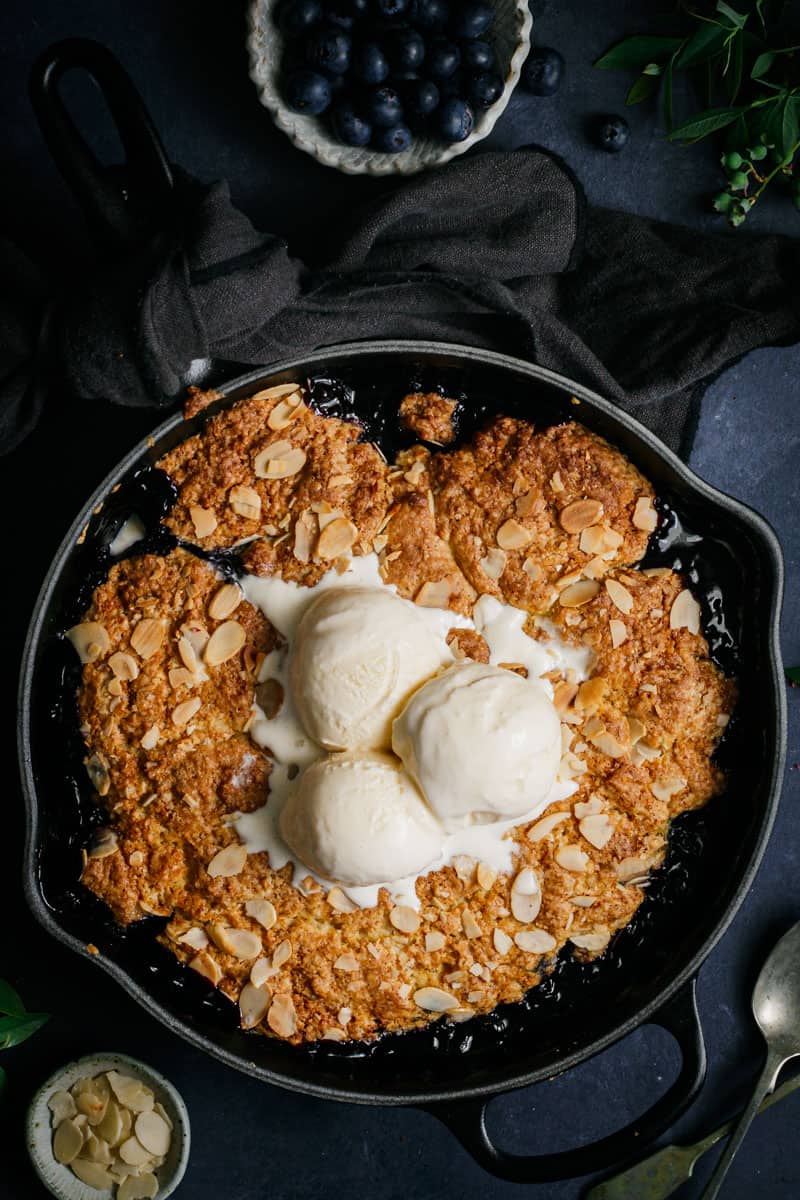
- Skillet desserts for a crowd, like this blueberry cobbler recipe or a fruit pie.
- Quick pastas finished in the pan
This size gets used constantly in my kitchen. It’s big enough for dinner, small enough not to feel awkward, and fits beautifully in the oven. If I could only keep one skillet, this would be it – don’t tell the others!
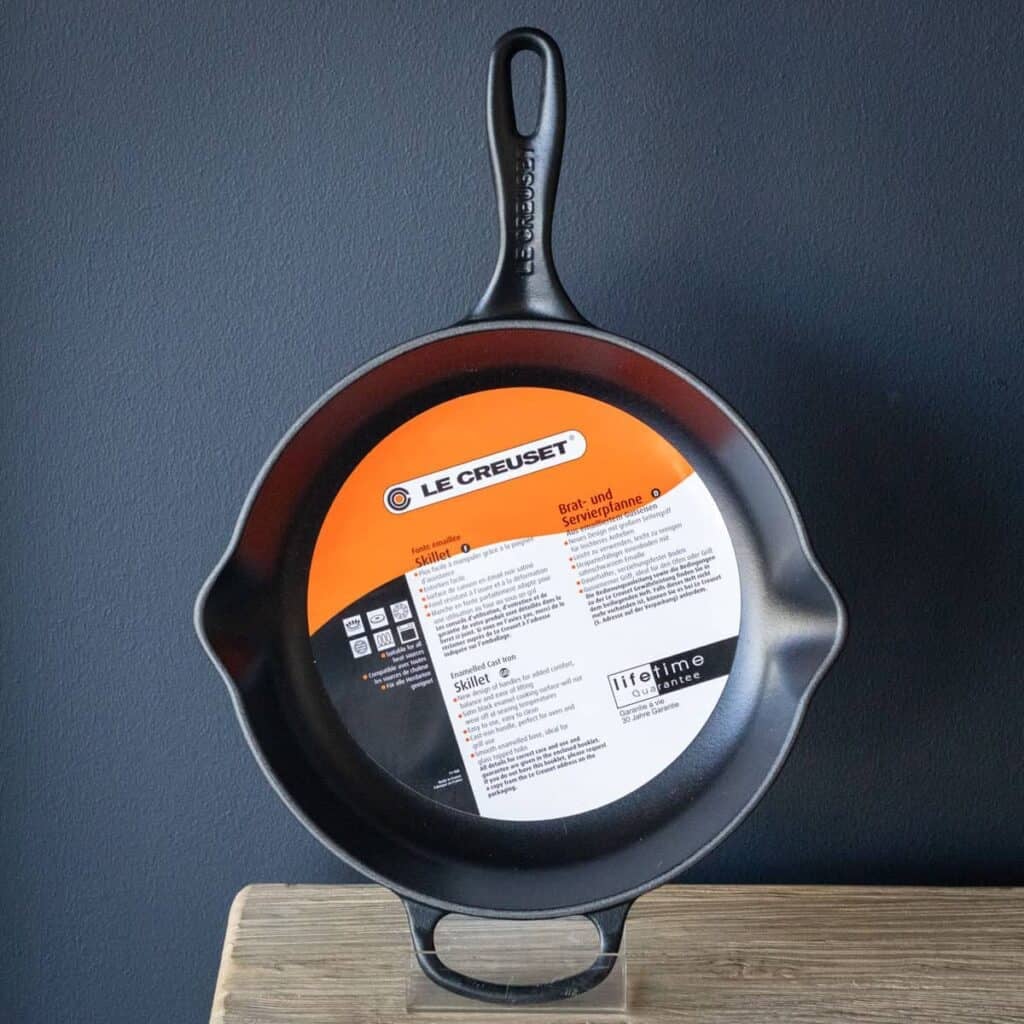
Le Creuset 26cm Skillet
If you only need one skillet in your life, this is it! I use my 26cm skillet for everything from my morning eggs to a steak dinner and even a cobbler for a cozy weekend pudding!
Large Skillets (12 inch/30cm)
Now we’re talking family cooking. As a bonus, the bigger cast-iron skillets normally come with a helper handle – very handy when moving larger skillets around the kitchen! They’re best for:
- One-pan meals, like this chicken and chorizo risotto.
- Steak night! It sears multiple pieces of meat effortlessly.
- Roast vegetables
- A Sunday Morning Irish breakfast fry-up for the whole family. One big skillet, cooking everything from sausages to sauteed mushrooms.
This is the pan that comes out on weekends. Or when the family is visiting. Or when I have a craving for a juicy medium-rare steak. Larger skillets generally have better heat retention, as well as giving food space to breathe, brown properly, and overcrowd the pan.
Extra Large Skillets (13 inch/33cm and up)
These are for entertainers, batch cooks, and serious skillet lovers. They’re amazing for:
- Big breakfasts for a crowd
- Outdoor cooking
- Paella-style dishes
- BBQ sides
- Cooking for crowds
Just keep in mind they’re heavy, they need storage space, and they work best on larger stovetops. Worth it if you cook big often. Otherwise, not essential.
What Size Cast Iron Skillet Do You Actually Need?
Let’s make this easy shall we…
I’m cooking for 1–2 People… A small or medium skillet will cover most meals nicely.
We’re a family of 3 or 4 people… A medium plus a large skillet is a magic combo. If you’ve got small kids, start with a medium, once they hit high school, you’ll probably need bigger.
Love Entertaining or Batch Cooking… A large skillet is your jam, maybe even an extra-large if space allows.
If you’re still figuring out where to start, I’ve got a full cast iron beginner’s guide that covers the basics before you invest in anything.
Just Starting Out
Start with a medium. Add sizes later once you know how you cook. My simple rule of thumb:
- Eggs and sides = small
- Weeknight dinners = medium
- Big meals = large
Super easy huh?!
How I Use Each Skillet Size in My Own Kitchen
In real life? My medium skillet lives on the stovetop. It gets used for absolutely everything. From easy weeknight dinners, quick prep for making lunches (like grilling chicken for sandwiches), and weekend desserts. On night shift week, it’s the Irishman’s breakfast fry-up skillet.
The large, 12-inch skillet comes out for pastas, risotto, steak night, and anytime I cook dinner in the pan and finish in the oven – think chicken parmigiana or a beef topside roast
The small one is for my morning egg. Lately, I can’t go past an egg with avocado on a slice of sourdough for breakfast, and this size is perfect and can even handle a second egg if Os wants one too.
Working in the store all day, means I’m surrounded by beautiful pans all day, but at home I reach for the same few pieces over and over. There’s no perfect size. There’s just the one that’s perfect for you. Once you find that, cooking becomes so much easier.
Now Here’s A Curveball
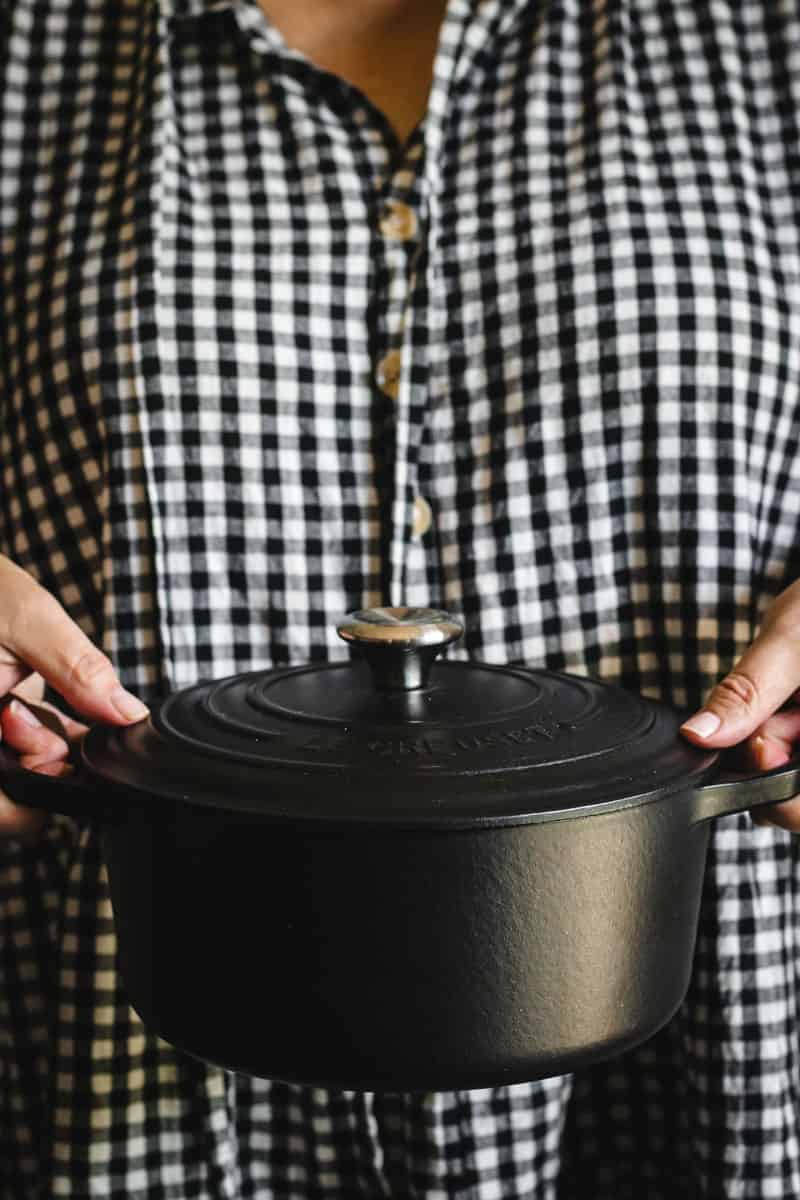
Want one pan that can cook anything from eggs to a big boscaiola pasta for 4, that is a little deeper than the average skillet? Try a two-handled saute pan. Or in the case of Le Creuset, it’s called the “Everyday Pan” (Lodge Cast Iron and Staub both have an equivalent). It’s the sweet spot when it comes to size (28cm wide) and with a bit of added depth than the average cast iron skillet, which allows for braising meats and slow cooking, as well as all the usual skillet duties. Bonus points if you have a 28cm cast-iron lid, as it now can be used as a Dutch oven. Oh, the possibilities!
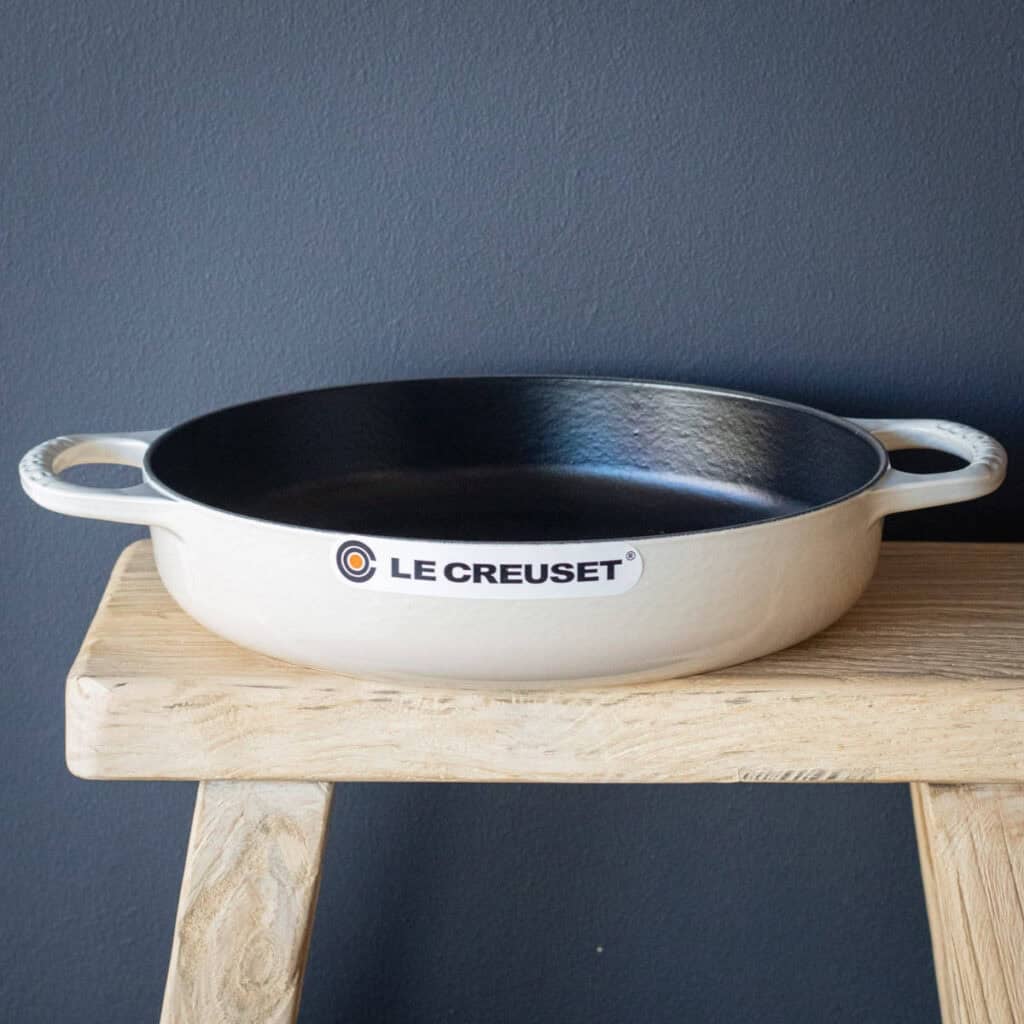
Le Creuset Everyday Pan
If you love one-pan dinners, this is your new best friend. The 28cm Everypan does it all — sear, sauté, roast, or bake — and still looks beautiful sitting on the table.
How much do you want to spend?
An important one. Seasoned cast iron skillets are generally much more affordable, while enameled versions tend to sit at the higher end of the price range. Neither is “better”, they’re just different tools for different kitchens. Decide what fits your budget and how you’ll use it.
Are you a dishwasher or handwasher?
Be honest with yourself here. Many enameled cast iron skillets are dishwasher-safe for everyday use (a big tick for me, because I’m not winning any awards for me handwashing anytime soon!). Seasoned cast iron, however, definitely isn’t dishwasher-friendly and needs a bit more TLC.
If convenience matters to you, it’s definitely worth thinking about.
A Few Extra Things To Think About When Choosing a Skillet
- Weight (cast iron is no lightweight). Make sure that you can easily move it around your kitchen.
- Storage space. Will it fit in the cupboard/draw?
- Your stovetop size and cooking surface. If you have a glass cooktop, enamel cookware will be your best friend, as it will be less likely to scratch.
- Will it fit into your oven? Being able to move your fry pan from the stovetop to the oven greatly increases its uses!
- Handles getting hot. Do you need pot holders, or will a tea towel do?
- Are pouring spouts needed? I find that if you cook sauces in your pan, they do come in handy!
Where I Would Start
Starting from scratch? Still wondering what the best cast-iron skillet is? Buy a medium skillet first or an Everyday Pan. Once you fall in love (and you will), add a larger one later. That combo will handle 90% of what most home cooks make, from Tuesday night dinners to lazy weekend brunch.
There’s no single “best” cast iron skillet size. There’s just the one that suits your kitchen, your family, and how you actually cook. Start simple. Cook often. Add pieces as you go. And before long, you’ll be that person serving dinner straight from the pan, telling everyone how cast iron changed your life… Welcome to the club!
x
Start slow. Cook confidently.
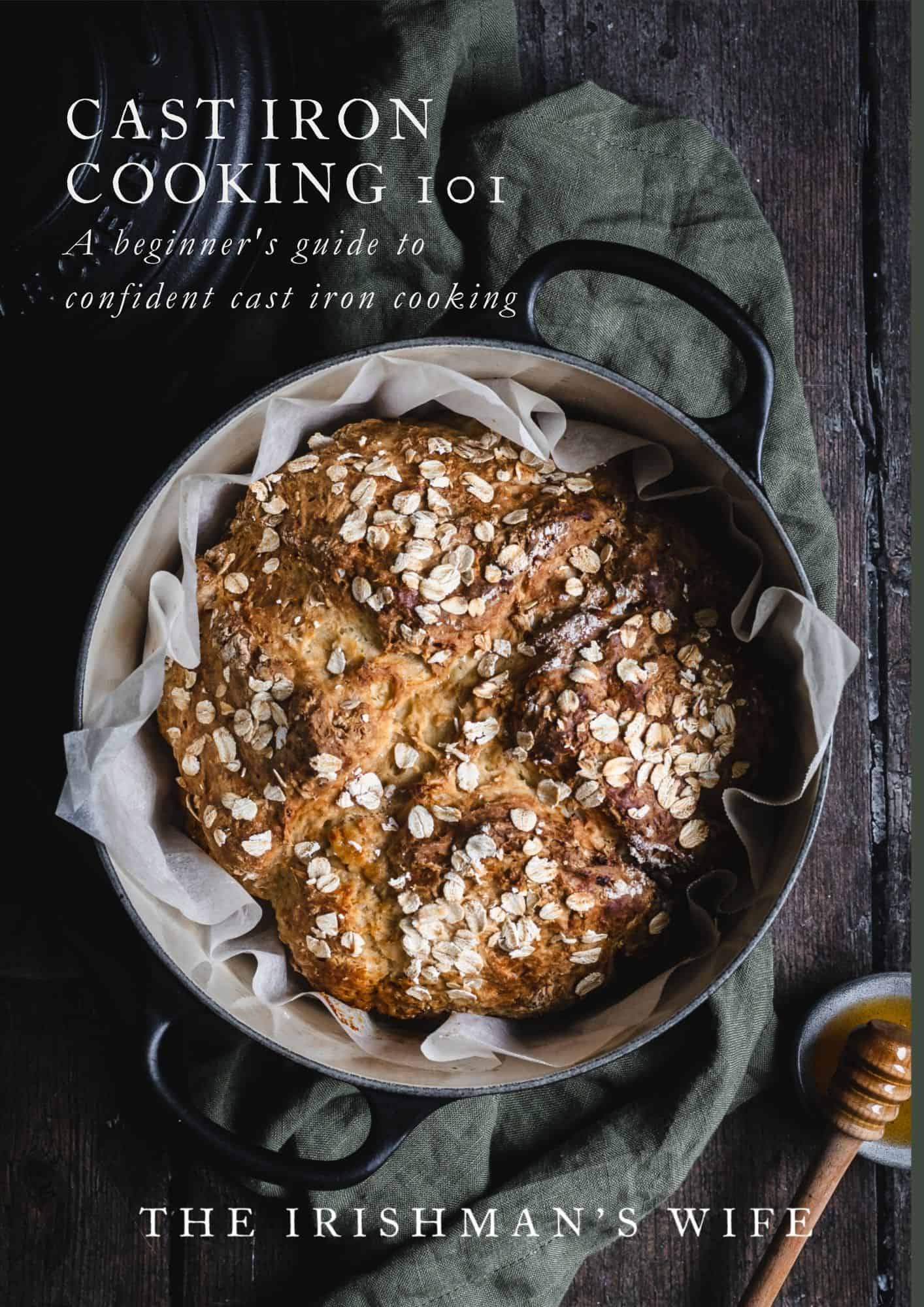
Cast Iron Cooking 101
From slow cooked stews to warm bread fresh from the oven, this guide will help you feel confident cooking with cast iron at home.